
Cracks in walls are something nearly every homeowner encounters at some point. That thin line creeping across your living room might seem innocent enough, but it can spark immediate concern: “Is my foundation failing? Is my home structurally compromised?” The short answer is: sometimes yes, sometimes no. Wall cracks can be purely cosmetic, or they can be a red flag for serious structural damage.
In this comprehensive guide, we’ll help you distinguish between harmless wall cracks and those that signal serious foundation issues. By understanding the different types of cracks, their causes, and when to take action, you’ll be better equipped to protect your home and your peace of mind.
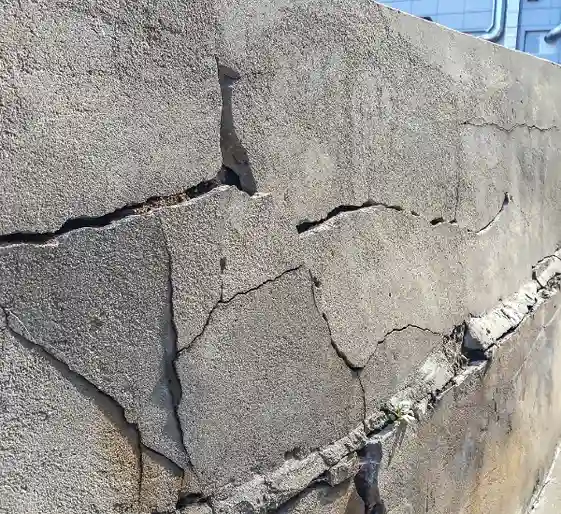
Understanding Wall Cracks: Cosmetic vs. Structural
Not all wall cracks are created equal. Some are harmless and merely the result of natural settling, while others may indicate a more serious foundation issue. The key is learning to differentiate between the two.
Common Causes of Wall Cracks
- Natural settling of the home
- Temperature and humidity fluctuations
- Poor construction practices
- Water damage or plumbing leaks
- Shifting or sinking foundations
- Soil movement around your foundation
- Drought conditions causing soil shrinkage
Types of Wall Cracks and What They Mean
Different types of cracks can signal different problems. Let’s break down the most common ones:
1. Hairline Cracks
These are very thin, almost thread-like cracks that are often found in new homes or freshly painted walls. Typically less than 1/16 inch wide, they are usually not a cause for concern.
- Often caused by initial drying of plaster or drywall compounds
- Result from minor seasonal home movement
- Usually cosmetic and require minimal repair
2. Vertical Cracks
Vertical cracks run straight up and down or slightly diagonal (within 30 degrees of vertical). These are among the most common wall cracks homeowners encounter.
Are they serious? Generally, vertical cracks are the least concerning type of wall crack. They typically result from:
- Normal settling of the house
- Drying and shrinking of drywall or plaster
- Minor foundation settlement that has stabilized
However, if a vertical crack is wider than 1/8 inch, appears suddenly, or continues to widen over time, it may indicate a more serious issue that requires professional evaluation.
3. Diagonal Cracks
Cracks running at a 45-degree angle or significant angle (more than 30 degrees from vertical) often indicate differential settling, especially near doorways and windows.
Are they serious? Diagonal cracks often point to uneven settlement of the foundation and may indicate:
- One part of the house is settling at a different rate than another
- Foundation movement due to expanding/contracting soils
- Potential issues with drainage around the foundation
When diagonal cracks are accompanied by a stair-step pattern in brick or block walls, this typically points to foundation settlement issues.
4. Horizontal Cracks
Horizontal cracks run parallel to the floor and are often found in basement walls or above ground level.
Are they serious? Horizontal cracks can be more concerning than vertical ones, especially in foundation or basement walls. They may indicate:
- Soil pressure against foundation walls
- Water damage causing hydrostatic pressure
- Serious structural issues requiring immediate attention
Horizontal cracks in concrete block or brick walls are particularly worrisome as they may signal that the wall is bowing inward under pressure.
5. Stair-Step Cracks in Brick or Block Walls
These cracks follow the mortar lines and resemble stairs—often a red flag for foundation settling or shifting.
- Common in brick and block foundations
- Should be inspected by a structural engineer
- Typically indicate differential settlement issues
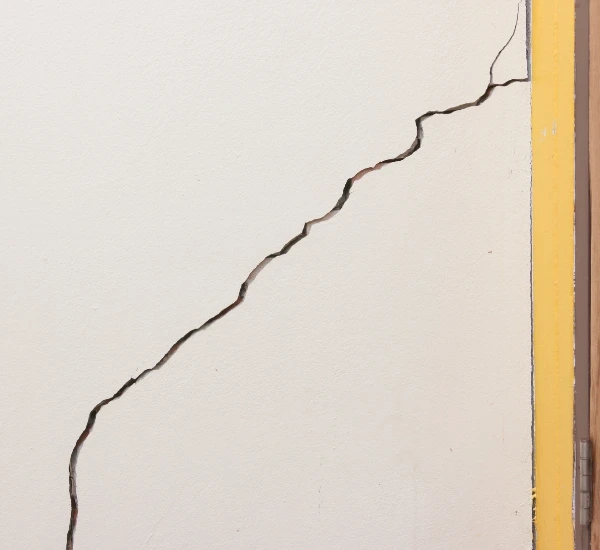
Foundation Cracks vs. Wall Cracks
It’s important to distinguish between cracks in the walls of your living space and cracks in the actual foundation of your home.
- Foundation cracks appear in basement walls, crawl spaces, or exterior block or concrete.
- Wall cracks typically show up in drywall or plaster inside your home.
While interior wall cracks can sometimes reflect foundation issues, they may also be unrelated. Understanding this distinction can help you determine the appropriate response and potential repairs.
When to Worry About Wall Cracks: Red Flags for Foundation Problems
Size Matters
- Minor concern: Hairline cracks less than 1/16 inch wide
- Moderate concern: Cracks 1/8 to 1/4 inch wide
- Major concern: Cracks wider than 1/4 inch
Growth and Change
Cracks that actively grow or change are more concerning than stable ones. Document crack width over time using a crack monitoring gauge or simply mark the end of the crack with a pencil and date it.
Multiple Cracks
A pattern of cracks appearing throughout your home, especially when accompanied by other signs of foundation problems, warrants professional attention.
Additional Warning Signs
When wall cracks appear alongside these symptoms, foundation problems are more likely:
- Doors and windows that stick or won’t close properly
- Uneven or sloping floors
- Gaps between walls and ceilings or floors
- Walls that bow or bulge
- Moldings that separate from walls or ceilings
- Rotated chimney or porch
- Visible foundation movement or displacement
- Cracked tiles or warped flooring
- Water intrusion in basement
Common Causes of Foundation Problems
Understanding what causes foundation problems can help you assess wall cracks more effectively:
Soil Issues
- Expansive clay soils: These soils expand when wet and contract when dry, putting cyclical pressure on foundations.
- Poorly compacted fill soil: If your home was built on improperly compacted fill dirt, the soil may settle unevenly.
- Erosion: Water flowing around your foundation can wash away supporting soil.
Water Problems
- Poor drainage: Water pooling around your foundation can cause soil expansion or erosion.
- Plumbing leaks: Leaks beneath the foundation can erode or consolidate soil.
- Flooding: Major water events can cause soil movement and foundation damage.
External Factors
- Tree roots: Large trees near the house can change soil moisture content or exert pressure on foundations.
- Drought: Extended dry periods can cause soil shrinkage and settlement.
- Vibrations: Construction, traffic, or earthquakes can cause foundation movement.
Normal House Settling vs. Foundation Problems
Most homes experience some degree of settling over time, which can cause minor cracking. Here’s how to distinguish normal settling from problematic foundation issues:
Normal Settling:
- Usually occurs within first few years after construction
- Results in small, hairline cracks
- Cracks don’t continue to widen
- No accompanying structural issues (stuck doors, sloping floors)
- Typically creates vertical cracks
Foundation Problems:
- Can occur at any time in a home’s life
- Create wider cracks (>1/8 inch)
- Cracks continue to grow or change
- Accompanied by other structural symptoms
- Often create horizontal or diagonal cracks
How to Monitor Wall Cracks
Before panicking or hiring a contractor, you can do the following:
- Mark the crack ends with a pencil and note the date.
- Take photos every few weeks to monitor growth.
- Use a crack monitor or gauge tool to track movement.
- Measure crack widths with a ruler or crack gauge.
- Call a structural engineer if the crack widens or shifts.
DIY Assessment: How to Check Your Foundation
While serious evaluations should be left to professionals, here’s how homeowners can conduct a preliminary assessment:
- Exterior Inspection:
- Walk the perimeter of your home
- Look for cracks in foundation walls
- Check for leaning or bulging walls
- Ensure proper drainage away from foundation
- Note any separation between walls and ground
- Interior Inspection:
- Document all wall and ceiling cracks
- Check if floors are level using a long level or marble test
- Test doors and windows for proper operation
- Look for gaps between walls, ceilings, or floors
- Check for dampness in basement or crawlspace
When to Call a Professional
You should consult with a structural engineer or foundation specialist if:
- Cracks are wider than 1/4 inch
- Cracks show continued growth over time
- Horizontal cracks appear in foundation walls
- Multiple symptoms of foundation problems are present
- You notice significant changes in doors, windows, or floors
- Your home is on expansive clay soil with moisture issues
- You’re planning to sell your home and need to address potential issues
A professional assessment typically costs $300-$700 but can save thousands in unnecessary repairs or delayed treatment of serious problems.
Repair Options and Costs
If a professional confirms foundation problems, various repair methods may be recommended:
Minor Repairs
- Crack injections: Epoxy or polyurethane injections to seal cracks
- Cost: $250-$800 per crack
- Waterproofing: External or internal drainage solutions
- Cost: $2,000-$7,000 depending on approach
- Cosmetic fixes like spackling and repainting: $50-$200
Moderate Repairs
- Slabjacking/mudjacking: Lifting concrete slabs by pumping material underneath
- Cost: $1,000-$3,000
- Polyurethane foam injections: Modern alternative to mudjacking
- Cost: $2,000-$5,000
Major Repairs
- Underpinning/piering: Installing supports to stabilize the foundation
- Cost: $1,000-$3,000+ per pier, $10,000-$15,000+ for whole house
- Wall anchoring or bracing: $2,000-$10,000 depending on the affected area
- Foundation replacement: Partial or complete replacement of foundation
- Cost: $20,000-$100,000+
Preventing Foundation Problems
Prevention is always cheaper than repair. Consider these preventive measures:
- Maintain consistent soil moisture around your foundation
- Ensure proper grading to direct water away from your home
- Install and maintain gutters and downspouts
- Consider installing a foundation drainage system
- Keep trees at a safe distance from your home
- Use soaker hoses during drought conditions (in clay soil areas)
- Conduct regular foundation inspections
- Address minor issues before they become major problems
- Maintain consistent humidity in your home to prevent drywall expansion/contraction
Insurance Considerations
It’s important to understand what foundation repairs your homeowner’s insurance might cover:
- Most standard policies do not cover foundation issues resulting from:
- Normal settling
- Poor construction
- Tree roots
- Soil expansion/contraction
- Policies may cover foundation damage caused by:
- Sudden plumbing leaks
- Natural disasters (with appropriate coverage)
- Vehicle impact
- Explosions
Always review your policy details and consult with your insurance agent about coverage options.
Frequently Asked Questions (FAQs)
Do cracks in walls mean foundation issues?
Not always. Some are harmless, but deeper, wider, or horizontal cracks may point to foundation problems. It’s best to monitor them over time or get a professional inspection.
Do cracks in walls indicate a structural problem?
They can. Structural cracks often appear near doors and windows, follow diagonal or horizontal patterns, and can be wider than 1/4 inch.
Should I worry about cracks in walls?
Hairline cracks are generally harmless, but growing, wide, or patterned cracks should raise concern. It’s wise to document and monitor them or seek expert advice.
Related Topics People Also Search For
- Do cracks in walls mean foundation problems Quora
- Do cracks in walls mean foundation problems Reddit
- Cracks in walls and ceilings when to worry
- Pictures of normal foundation cracks
- Foundation cracks when to worry
- Types of cracks in walls
- Foundation crack repair cost
- Vertical cracks in walls
These searches highlight just how common and confusing wall cracks can be. Understanding what you’re dealing with is half the battle.
Suggested Visuals
- Infographic: “Wall Crack Types & What They Mean”
- Chart: “Foundation Crack Severity Scale”
- Diagram: “Foundation Movement and Resulting Wall Cracks”
- Photo Gallery: “Normal vs. Problematic Foundation Cracks”
Final Thoughts: Don’t Ignore the Signs
While cracks in walls can sometimes indicate serious foundation problems, many are simply the result of normal house settling or minor seasonal movements. The key is knowing how to distinguish between the two.
By understanding the types of cracks, recognizing warning signs, and knowing when to call a professional, you can address potential foundation issues before they become catastrophic. Remember that early intervention typically results in less extensive and less expensive repairs.
If you’re unsure about a crack in your wall, it’s worth consulting a licensed structural engineer or foundation specialist. Peace of mind is worth it, and catching foundation problems early can save you thousands in repairs down the road.
Your home is likely your biggest investment. Protecting its foundation means protecting not just the structure itself but also your financial future and peace of mind.

